
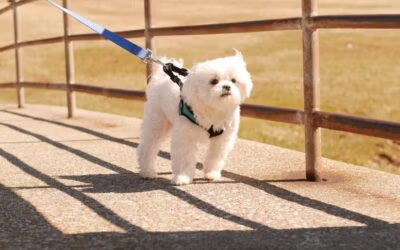
Your puppy’s first walk may look small from the outside. A few steps, a pause at the curb, a sniff near the grass, maybe a sudden sit on the sidewalk. To your puppy, that short outing is packed with new sounds, smells, textures, and decisions.
That is why your puppy’s first walk should feel calm, not crowded or rushed. Your puppy is learning whether the outside is safe and whether staying close to you feels good. With the right puppy walking tips, early walks can build trust.
Taking It Slow Is the First Win
New puppy owners often feel pressure to start regular walks right away. Puppies do need movement, but they also need time to understand the world. Long walks can be too much for young legs, short focus, and growing confidence.
Start with a few minutes near home. A hallway, a yard, a quiet sidewalk, or a building entrance can be enough. Your puppy may walk a little, stop often, or spend most of the time sniffing. That still counts.
The best safe puppy walks end before your puppy feels tired or scared. Stop while things are still going well, even if the walk lasted only five minutes.
Make the Leash Feel Like No Big Deal
Before your puppy’s first walk, help your puppy get used to the collar, harness, and leash indoors. Let them sniff the gear first. Put it on for short periods, offer treats, and remove it before your puppy gets upset.
Early leash training for puppies should feel simple. Clip the leash on and walk a few steps inside. Reward your puppy when they follow you, look at you, or move without chewing the leash.
Avoid pulling your puppy along. If they freeze, kneel, use a soft voice, and let them come to you. Gentle practice teaches your puppy that the leash is guidance, not pressure.
Short Walks Build Better Habits
A puppy does not need a long route to learn. Short outings can teach focus, confidence, potty habits, and calm behavior without overwhelming your puppy.
One of the simplest puppy walking tips is to think in small sessions. Try a short walk after a nap, after breakfast, or before bedtime. These steady moments help your puppy know what to expect.
For healthy puppy walking habits, keep the pace easy. Let your puppy stop and sniff, then call them back with encouragement. Reward them when they walk near you or check in on their own.
Socialization Should Be Calm, Not Busy
Many people think socialization means meeting every dog and person. For puppies, that can be too intense. Good puppy socialization walks are about safe exposure, not constant greetings.
Your puppy can learn by watching a bike pass, hearing a bus from a distance, or seeing another dog across the street. They do not need direct contact every time.
If someone wants to pet your puppy, watch your puppy’s body language first. Hiding, backing away, barking, or a tucked tail mean your puppy needs space.
Keep puppy socialization walks short and positive. The goal is to help your puppy feel steady in the presence of common sights and sounds.
Safety Comes Before Distance
Ask your veterinarian when your puppy can safely walk in public areas. Vaccine timing matters, especially in places where many unknown dogs have been.
For safe puppy walks, avoid dog parks, shared water bowls, pet store floors, and areas with animal waste until your vet says it is safe. Choose cleaner, quieter spots near home when possible.
Check the ground before walking. Hot pavement can burn paws, and cold rain can make a small puppy uncomfortable fast. Keep your puppy away from trash, puddles, and unknown objects.
Reward the Small Things
Puppies repeat what works. If pulling gets them to a smell, they may pull again. If walking near you earns praise and treats, they learn that staying close is worth it.
During leash training for puppies, reward small wins. Treat your puppy when they look at you, walk with a loose leash, respond to their name, or stay calm in the presence of a distraction.
Keep your voice warm and your expectations fair. Puppies will zigzag, stop, sniff, and get distracted. That is normal. You are teaching, not correcting every second.
These early rewards support healthy puppy walking habits by helping your puppy learn to make good choices outside.
Know When to Head Home
Puppies can become tired before their owners notice. A tired puppy may bite the leash, jump, bark, refuse to move, or grab things from the ground.
When you see those signs, pause or head home. Do not force your puppy to finish a route. Rest is part of learning.
A successful puppy’s first walk may be short, quiet, and uneventful. Calm walks help your puppy feel safe, and safe puppies learn better.
Helping Your Puppy Grow Into a Calmer Walker
Early walks shape how your dog sees the outside world. When you keep outings short, kind, and steady, your puppy learns that the leash, sidewalk, people, and sounds are manageable.
With patience, the puppy’s first walk becomes the start of better routines. Those routines can support potty training, confidence, social comfort, and calmer behavior as your puppy grows.
If your schedule makes consistent walks difficult, Belltown Dog Walker can help. Our dog walking services are tailored to your puppy’s age, comfort level, and energy level, providing safe exercise and one-on-one attention while you are away.
Contact Belltown Dog Walker today to learn how we can support your puppy’s early walking routine.