
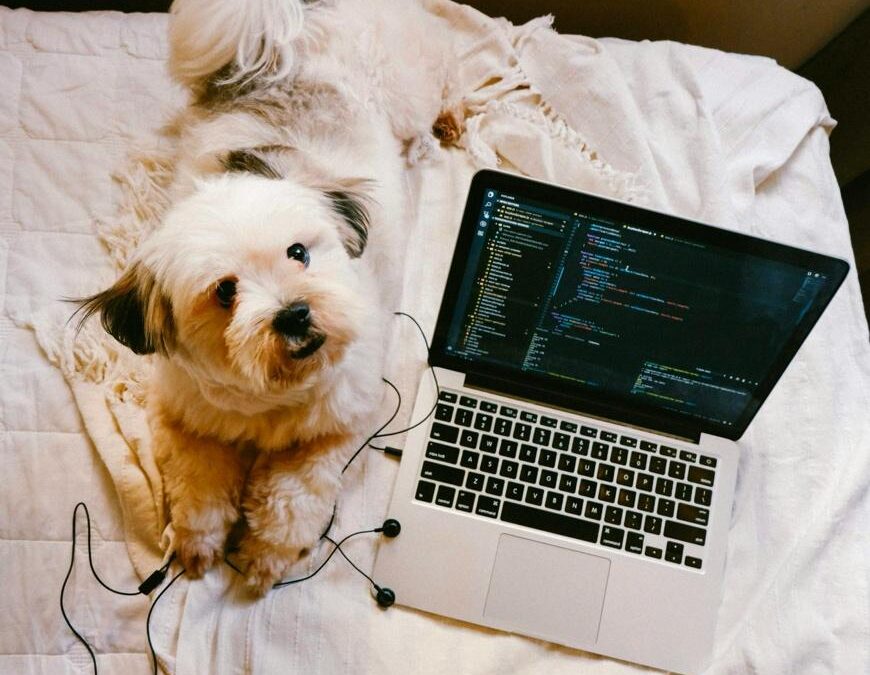
Your dog knows when you are leaving before you touch the door. They watch the shoes, bag, coffee cup, and your rushed face. You are thinking about work. Your dog is thinking about the next walk.
That guilt hits many pet parents before the day even starts. You love your dog, but the workweek can make it hard to fit in a simple walk. The good news is that keeping dogs active during the workweek does not require hours of free time.
Dogs do well with small, steady habits. A walk with time to sniff, a quick game before dinner, a puzzle toy during a meeting, or a midday potty break can help your dog feel calmer and less bored.
Why Weekday Activity Matters
Dogs need activity for the same reason they need food, water, and rest. Movement supports their joints, weight, digestion, sleep, and mood. It also gives them a healthy outlet for energy that might otherwise turn into chewing, barking, pacing, or whining.
Mental activity matters too. A dog who sniffs, searches, solves, and follows a routine often settles better at home. This is why busy pet parent dog exercise should include both movement and brain work.
If your dog seems restless at night, follows you after work, or gets into things they usually ignore, they may need a better weekday plan. The answer is not always a longer walk. Sometimes, it is a smarter one.
Build Walks That Actually Help
A rushed walk around the block may check the box, but it may not give your dog what they need. Dogs experience the world through their noses. Sniffing helps them relax, learn, and use mental energy.
A good dog walking schedule can include a short morning walk, a midday break, and an evening outing. The timing depends on your job, your dog’s age, and their energy level.
Try to make each walk useful. Let your dog sniff in safe spots. Change pace when you can. Practice simple cues like sit, wait, or leave it. Even 15 focused minutes can help when your dog gets your attention.
This is one of the simplest ways of keeping dogs active during the workweek without making your day harder. The walk does not have to be long. It has to feel useful to your dog.
Use Enrichment Indoors
Some workdays do not leave much time for outdoor activities. That is where weekday dog enrichment helps. It gives your dog something to do while you are busy and keeps boredom from building up.
Food puzzles, snuffle mats, lick mats, safe chews, and frozen treat toys can all help. You can also hide a few treats in one room and let your dog search for them.
Keep it simple. Give a puzzle toy after the morning walk. Save a frozen treat for your longest meeting. Offer a chew during the afternoon, when many dogs start looking for attention.
This kind of dog exercise for working owners is useful because it works with real schedules. Your dog gets to use their brain, and you get a little peace while you work.
Make Short Play Count
Many pet parents wait until they have a full free hour to play. During the week, that hour may never happen. Short play sessions can still make a difference.
A few minutes of tug, fetch, training, or hide-and-seek can help your dog release energy before it turns into restlessness. Try playing before your first call, after lunch, or right when you get home.
Short sessions also help your dog feel connected to you. They do not need a big event every day. They need regular moments that tell them they matter.
Keep the Routine Predictable
Dogs notice patterns. They learn when you wake up, when food arrives, and when walks usually happen. A steady routine helps them feel secure.
Your dog-walking schedule does not need to be exact to the minute. Still, the order of the day should feel familiar. Walk, breakfast, rest, midday break, dinner, evening walk.
Consistency is one of the best tools for keeping dogs active during the workweek. It makes exercise a normal part of the day rather than another task.
Know When You Need Help
Some weeks are too full. Meetings run late. Commutes drag on. You miss the midday break, then come home to a dog who has waited too long.
This is when professional dog walking services can help. A trusted dog walker can give your dog exercise, potty breaks, attention, and a change of scenery while you are at work.
Using professional dog walking services does not mean you are doing less for your dog. It means you are making sure their needs are met, even when your day gets packed.
Bottom Line
Your dog does not need a perfect weekday plan. They need steady care, movement, attention, and simple ways to stay busy. Walks, sniff breaks, puzzle toys, short play sessions, and a dependable routine can make the workweek easier for both of you.
If your schedule makes keeping dogs active during the workweek hard, Belltown Dog Walker can help. Our dog walking services give your pup the movement, care, and one-on-one attention they need while you handle your workday.
Contact Belltown Dog Walker today to schedule a walk and help your dog enjoy a calmer week.