
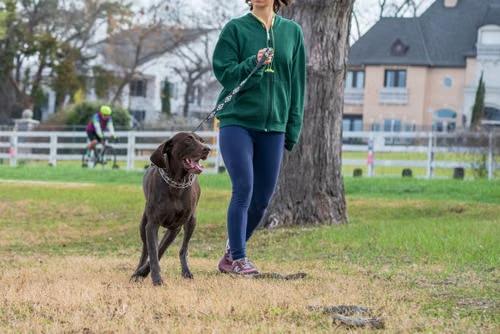
Seattle weather has a way of turning a normal dog walk into a small daily decision. The leash is ready. Your dog is watching. Then rain taps the glass, wind shakes the trees, or the pavement feels warmer than expected, and the usual route needs a second look.
That pause matters. A good Seattle dog walking routine is not built on perfect weather. It is built on knowing what your dog can handle today. Dogs still need movement, sniffing, potty breaks, and fresh air, but the route, pace, and timing should shift with the forecast.
Good dog walking in Seattle weather comes down to one habit: keep the routine, change the details.
Rain Changes What Dogs Notice
Rain makes familiar streets feel different. Smells rise from wet grass. Cars sound louder on slick roads. Puddles hide dips in the sidewalk. Some dogs enjoy the change, while others step outside and lose interest fast.
For rainy day dog walks, start with the dog in front of you. An energetic young dog may need a real loop. A senior dog may do better with a shorter walk and longer sniff stops. A dog who dislikes wet paws may need a calm minute near the door before moving farther.
When walking dogs in the rain, do not rush every pause. Sniffing gives dogs mental work, and that can help them settle even when the walk is shorter. Once you return home, wipe paws, legs, and belly. Check between the toes for grit, redness, or small cuts.
Slick Ground Needs a Slower Walk
Seattle sidewalks can fool you. Wet leaves, painted crosswalks, metal grates, moss, stairs, and building lobbies can all be slippery.
For safe dog walks in bad weather, pick routes with steady footing. A flat block with good drainage may be safer than the usual path with hills or slick corners. Keep your dog close near curbs and crossings, especially if they pull.
A slower pace does not make the walk less useful. It protects your Seattle dog walking routine by helping your dog stay confident. One hard slip can make a nervous dog worry about the next outing.
Wind Can Shake a Dog’s Confidence
Wind moves things dogs do not expect. Bags scrape along the curb. Signs rattle. Doors slam. Branches drop leaves without warning. A dog who usually walks well may suddenly freeze, pull, or scan the street.
During dog walking in Seattle weather with wind, look ahead. Give space to trash bins, construction fencing, patio chairs, and anything loose. If something bangs or rolls, pause before asking your dog to pick it up.
This is one of the most useful seasonal dog walking tips for anxious dogs. The goal is not to push through every strange sound. The goal is to help the walk stay calm enough that your dog can recover and keep moving.
Cold Feels Different When It Is Damp
Seattle cold often comes with damp air, and damp cold can bother dogs quickly. Puppies, small dogs, thin-coated dogs, seniors, and dogs with sore joints may need shorter outings.
A winter Seattle dog walking routine should start gently. Let your dog warm up before adding hills, stairs, or a faster pace. Watch for shivering, paw lifting, limping, a hunched back, or a sudden turn toward home.
For safe dog walks in bad weather, dry your dog well afterward. Damp fur can keep them chilled inside. Older dogs may also need a warm place to rest after a wet walk.
Heat Can Sneak Up on Seattle Dogs
Warm weather may seem harmless here, but dogs are close to the ground. Pavement can heat up before the air feels uncomfortable to you.
In summer, shape your Seattle dog walking routine around cooler hours. Morning and evening walks are often better. Midday may be better for a short potty break, shade, and water.
Before longer walks, place your hand on the sidewalk for a few seconds. If it feels too hot for your skin, it is too hot for paws. Heavy panting, drooling, slowing down, or refusing to move can mean the walk needs to end.
Hydration is a simple part of seasonal dog walking tips. Offer water before and after walks, and bring it for longer routes.
Gray Light Changes Safety
Rain, fog, early sunsets, and wet roads can make dogs harder to see. Drivers, cyclists, and people coming out of garages may notice you later than you expect.
Good dog walking in Seattle weather includes visibility. A collar light, reflective leash, or brighter raincoat can help others see your dog sooner. At crossings, keep the leash close and put your phone away.
For safe dog walks in bad weather, treat driveways, alleys, and parking garage exits with care. Your dog may be focused on a smell while someone else is watching traffic.
Read the Dog, Then Read the Forecast
Weather matters, but your dog’s response matters just as much. Some dogs love rain and dislike heat. Some feel fine in cold air but worry when the wind picks up. Some need one steady route, while others relax when the walk changes.
A lasting Seattle dog walking routine is flexible. If the rain is heavy, shorten the walk and add indoor play. If the ground is slick, skip hills. If it is hot, move the walk earlier. If your dog seems tired, head home before the walk turns stressful.
That is the real value of walking dogs in the rain and through every season. The routine stays in place, but it still respects the day.
When the Weather Makes Walks Hard to Keep
Some weeks are hard to manage. Work runs late. Rain keeps coming. Sidewalks stay slick. Your dog still needs movement, attention, and a break from being inside.
Belltown Dog Walker can help with one-on-one walks shaped around your dog’s pace, comfort, and daily needs. If your dog needs support staying active through Seattle’s changing weather, contact Belltown Dog Walker today to schedule a walk.