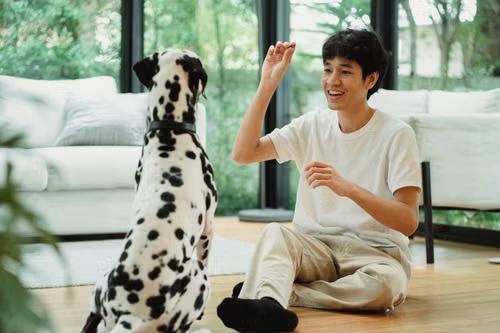
Most dogs do not start with a bark. They start smaller. A pause at the doorway. A turn of the head when a stranger reaches down. A mouth that closes during a walk. A tail that keeps moving while the body goes stiff.
That is why understanding canine body language can change the way you live with your dog. You begin to notice the quiet answers they give all day. Some say, “I feel safe.” Some say, “I need a minute.” Some say, “Please do not make me handle this.”
A dog who feels heard does not have to work as hard to be understood. That is the value of learning dog body language signs. You can step in earlier, respond with less frustration, and protect the trust your dog has in you.
What Your Dog Says Before Sound
Barks, growls, and whines are easy to notice because they interrupt the room. Still, dogs often use their bodies first. How dogs communicate usually begins with posture, distance, movement, and facial tension.
A growl is not bad manners. It is information. A dog may growl because a child leaned over them, another dog came too close, or someone touched a sore area. If earlier signs were missed, sound becomes the next option.
Good reading starts before that point. Watch what happens right before your dog reacts. Did they look away? Freeze? Stop taking treats? Move behind your leg? Those small dog behavior cues can tell you the situation changed for them.
Read the Whole Dog, Not One Part
A wagging tail can fool people. So can pinned ears, a belly up pose, or a quiet dog who seems “fine.” One body part rarely tells the whole story.
For better understanding canine body language, look at the full picture. A loose body, soft eyes, and easy movement usually point toward comfort. A stiff body, closed mouth, and fixed stare suggest tension, even if the tail is moving.
Posture Usually Tells the Truth
Posture is one of the first places to look. A comfortable dog moves with ease. Their weight is balanced, their muscles are relaxed, and they can shift attention without locking onto one thing.
A nervous dog may shrink. You might see a lowered head, curved back, tucked tail, or weight pulled backward. These dog body language signs often mean the dog wants distance.
A dog who feels challenged or trapped may stand tall, lean forward, stiffen, or hold still. Stillness can be easy to miss, but it matters. Many dogs freeze before they bark, lunge, or snap.
The Tail Needs a Second Look
The dog tail movement meaning depends on the whole body. A loose tail wag with curved movement often shows ease. The dog may approach in a relaxed way and check in without tension.
A high, tight wag can mean arousal, alertness, or unease. A low wag can show uncertainty. A tucked tail often points to fear, pain, or discomfort, especially when paired with a lowered body or wide eyes.
Your dog’s normal tail carriage also matters. Some tails curl, some hang low, and some barely move. Understanding canine body language properly comes from knowing your dog’s usual look, then noticing changes.
Ears, Eyes, and the Face Give Early Clues
Ears can be tricky because breeds show them differently. Forward ears may mean interest. Pulled-back ears may mean fear, friendliness, appeasement, or stress. The rest of the body tells you which reading fits.
Eyes carry a lot of feeling. Soft blinking and relaxed eye contact usually mean comfort. A hard stare, wide eyes, or visible eye whites can be one of the clearest dog stress signals.
Lip licking, yawning, sudden panting, or a closed mouth when the dog was relaxed a moment ago can also signal pressure. These small signs often show up before bigger reactions.
Stress Often Looks Polite at First
Many dogs try to avoid conflict. They turn away, sniff the ground, shake off, yawn, blink, or move slowly. People sometimes mistake these choices for stubbornness.
In truth, these dog behavior cues may be your dog’s way of calming the moment. A dog who sniffs when another dog approaches may not be ignoring you. They may be trying to avoid direct pressure.
Common dog stress signals include tucked tails, pinned ears, pacing, hiding, trembling, drooling, whining, and refusing food. One sign alone may not mean much. Several together deserve attention.
Watch for Overstimulation Before It Spills Over
Overstimulation can look like fun until it turns messy. A dog may jump, mouth, bark, spin, pull, or stop listening to cues they normally know.
This is where how dogs communicate can be misunderstood. A dog may look excited, but excitement can cross into discomfort fast. More play, more greetings, or a busier setting may push them past their limit.
When your dog can no longer settle, take food, respond, or move away calmly, give them a break. A quiet space, a slower walk, or a pause at home can help them reset.
Let Body Language Change Your Response
Reading your dog is useful only if it changes what you do next. If their body says they are unsure, slow the greeting. If the tail is high and stiff, create distance. If the face tightens during handling, stop and reassess.
Better understanding canine body language can improve walks, training, vet visits, grooming, and guest introductions. It helps you ask less of your dog when they are already struggling.
A Dog Who Feels Heard Can Trust More
You will not read every signal perfectly. No one does. What matters is the habit of noticing.
Your dog learns from your response. When you see dog body language signs and help early, they learn that communication works. They do not have to jump straight to barking, pulling, or hiding.
If walks or daily care are becoming stressful, patient support can help. Belltown Dog Walker offers one-to-one dog walking with attention to comfort, pacing, and dog stress signals, so dogs get care that respects what their bodies are saying.
Contact Belltown Dog Walker today to schedule dog walking support that keeps your pet’s needs, comfort, and safety in mind.