
Pets do not read calendars, but they read people well. They notice when shoes go on earlier, dinner comes late, boxes sit by the door, or the house feels different after a long week.
To a pet, routine is a language. Walks, meals, play, rest, bathroom breaks, and quiet time all say, “You are safe. Your needs will be met.” When those signals change, the day can start to feel uncertain.
That is why pet routine changes can show up in ways that surprise owners. A dog may pace at night. A cat may hide during meals. A puppy may have accidents again. A senior pet may seem worried when the usual order of the day disappears.
Pets Notice the Change Before You Name It
Most owners think stress begins when the big change happens. The work trip. The move. The new job schedule. The long stretch of late nights.
Pets often notice sooner. They see the suitcase before you leave. They hear calls running past dinner. They feel the missing walk before anyone calls it a problem.
During pet routine changes, pets are not asking for a perfect day. They need certain parts to stay dependable. Food at a familiar time. A bathroom break before discomfort sets in. A walk that lets them sniff and settle.
These pieces may seem small, but pets build trust from small things repeated often.
A Late Walk Can Change the Whole Day
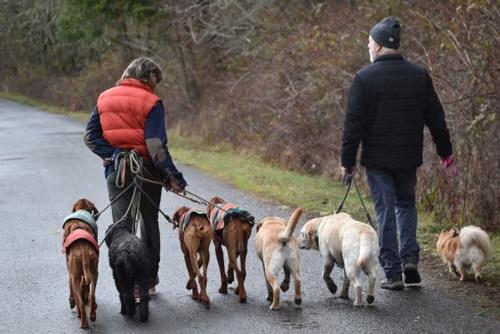
For dogs, walks do several jobs at once. They give the body movement, the bladder relief, and the mind something to process. A walk also marks time.
When walking times shift too much, dogs may grow restless. Some bark at hallway sounds. Some chew things they normally ignore. Some follow their owner from room to room after a long day alone.
This is where consistent pet care can help. A steady walk in the middle of a busy day gives a dog a reset before tension builds. It also keeps bathroom breaks from becoming a source of stress.
The walk does not have to be long. It has to be reliable, safe, and suited to the dog at the end of the leash.
Cats Keep Score Too
Cats may not wait by the door with a leash, but they live by patterns. Many know when breakfast should arrive, when the litter box is usually cleaned, and when the home becomes quiet.
For cats, pet routine changes can look different. One cat may stop eating right away. Another may hide under the bed. Another may become loud at night.
A sitter can help by keeping the basics steady. Food, water, litter care, medication, and calm attention all matter. Some cats want play. Some want a quiet voice from across the room.
Work Travel Leaves a Real Gap
Travel changes the home even when everything is arranged well. The person your pet expects is gone. The smells are different. The door opens at another time.
Planning pet care during schedule changes makes that absence easier to handle. A caregiver can follow feeding notes, refresh water, give medication, clean litter, and spend time in a way the pet understands.
For dogs, dog walking and pet sitting can keep the day from feeling empty. For cats, visits can protect the routines that help them stay settled while their owner is away.
The best notes are practical. Write down feeding amounts, leash location, hiding spots, medication details, bathroom habits, and any behavior that would be unusual.
Busy Seasons Need Decisions Made Early
Some schedule changes do not come with a clear start date. They happen slowly. A project runs late. Family plans stack up. Commutes take longer.
This is when maintaining a pet routine can slip without anyone meaning for it to happen. The dog waits longer for a walk. The cat gets less play. The evening feeding drifts later each night.
Pets do better when owners decide ahead of time which routines are protected. Maybe the lunch walk cannot move. Maybe medication has to stay exact. Maybe the cat needs a quiet feeding before guests arrive.
A pet sitter for busy owners can cover the care gaps that repeat during packed weeks. That support can keep a hard season from spilling onto the pet.
Moving Makes the Familiar Feel Far Away
A move is not a new address to a pet. It changes the floor, the sounds, the windows, the hallway, the outdoor route, and the places they once used to rest.
During pet routine changes like moving, familiar timing matters. Feed pets at the usual hours when possible. Use the same bowls, beds, blankets, and toys. Keep walks calm.
Household Changes Count Too
A new work shift, school schedule, roommate, baby, or partner’s routine can change a pet’s whole day. Pets often attach their habits to every person in the home.
A dog may wait near the door for someone who no longer leaves at the same time. A cat may lose a nap spot when a person starts working from home.
During pet care during schedule changes, the aim is to give pets clear anchors. Meals, bathroom breaks, walks, play, and rest should stay as steady as possible.
Steady Care Helps Pets Stay Themselves
Good care is rarely dramatic. A dog gets out before the afternoon becomes uncomfortable. A cat eats on time. A senior pet gets a slower visit. A puppy gets a potty break before excitement turns into an accident.
That is the value of consistent pet care. It protects comfort before stress turns into behavior changes. It gives pets a daily pattern they can trust.
Walkers and sitters also notice details. A dog who seems stiff. A cat who did not eat. A water bowl that emptied faster than usual. A pet who acted nervous after construction started nearby.
Keep the Familiar Parts Close
Life will change. Work gets busy. Trips happen. Homes change. Family schedules shift. Pets can adapt when their most important needs remain clear.
Protect the routines that matter most. Keep feeding times close. Plan bathroom breaks before they become urgent. Leave clear notes for caregivers. Introduce help before a busy week begins when possible.
If pet routine changes are making your dog or cat unsettled, Belltown Dog Walker can help with walks, visits, and pet sitting that keep care steady when your schedule is not. Contact Belltown Dog Walker today to help your pet feel cared for through the changes ahead.