
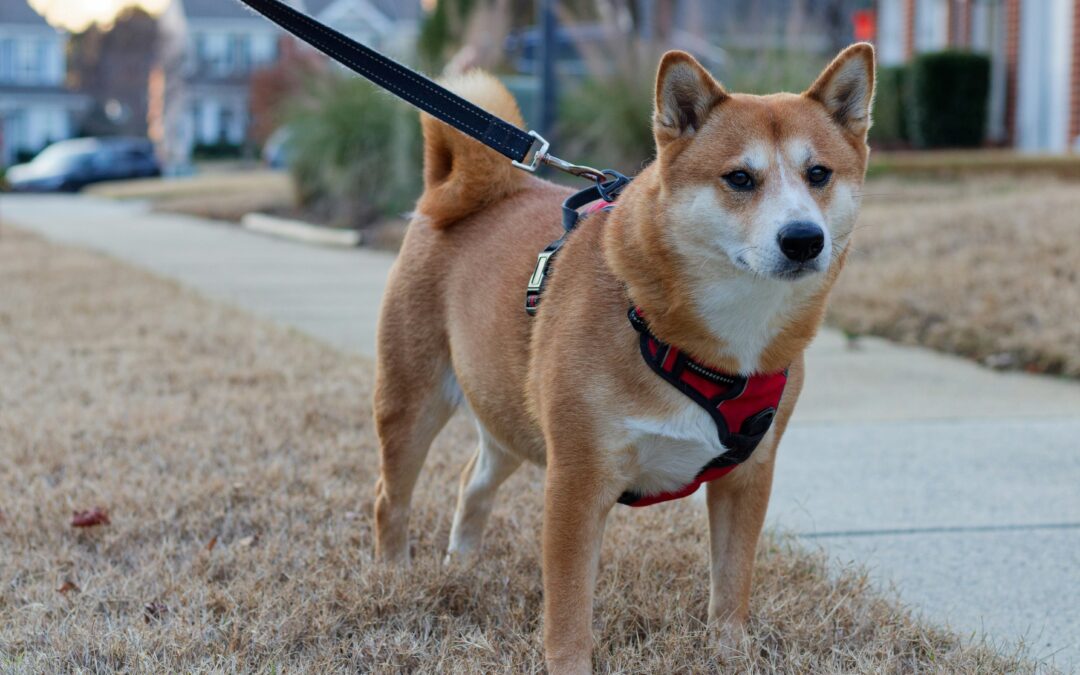
Some dogs do not ask for activity politely. They sprint down the hall, leap onto the couch, bark at small sounds, and stare at you like they could run another mile before dinner. It can be funny at first, until that same energy turns into chewing, whining, jumping, or pacing.
High-energy dogs are not trying to make life harder. Most are full of fuel with no clear place to spend it. That is where regular walks for high-energy dogs can make a real difference. A steady walking routine provides active pups with movement, mental stimulation, and a calmer daily pattern to follow.
A walk helps the body release tension, gives the brain something useful to process, and teaches your dog that activity and rest both have a place in the day.
Why Some Dogs Feel Wired All the Time
Every dog has a different energy level. Some are happy with a short stroll and a nap. Others wake up ready to chase, sniff, explore, and play before you have finished your coffee.
When they do not get enough activity, that energy does not disappear. It comes out in other ways. Your dog may bark at the window, follow you around the house, paw at you, steal socks, or race from room to room.
That is why exercise for energetic dogs matters. It gives their body a healthy outlet before restlessness turns into habits you do not want. A tired dog is not always a trained dog, but a dog with unmet energy usually has a harder time listening.
Zoomies Are Usually a Clue
Many pet parents know the sudden burst of running that seems to come from nowhere. Dog zoomies can happen after a bath, after a nap, when you come home, or right before bedtime.
The issue is that when zoomies happen often, your home can feel chaotic. If your dog is bouncing off furniture every night, their day may need more structure.
This is one of the biggest dog walking benefits for active pups. Walks create a steady release instead of letting energy build until it bursts. Your dog may still have playful moments, but they are less likely to feel frantic.
Walks Work the Brain Too
A good walk is full of information for a dog. A tree, a curb, a patch of grass, a passing person, or a new sound can all matter. While you may see a normal sidewalk, your dog is reading the neighborhood through smell, sight, and sound.
That mental work helps calm high-energy dogs. Sniffing, watching, and making small choices can be tiring. This is why a slower sniff walk can sometimes settle a dog better than a rushed walk.
For many active dogs, the best routine includes movement and sniffing. A brisk stretch helps burn energy. A slower stretch gives the brain time to work. Together, they help your dog come home satisfied instead of overstimulated.
Walking Can Help Ease Anxiety
Restlessness and anxiety often show up together. A dog with too much unused energy may become extra sensitive to noises, visitors, or being left alone. They may bark faster, pace longer, or struggle to settle after small changes in the home.
Consistent walks can help reduce dog anxiety by adding rhythm to the day. Dogs feel safer when they know what to expect. A morning walk, midday outing, or evening stroll can become a calm part of their routine.
Walks also help dogs experience the outside world in manageable pieces. Over time, common sounds and sights can feel less startling. The key is to choose routes and pacing that fit your dog.
Better Walks Can Lead to Better Behavior
It is hard for a dog to make good choices when their whole body feels charged. If your dog is jumping, pulling, barking, or mouthing, they may not be ignoring you. They may be too worked up to focus.
This is where regular walks for high-energy dogs support training. After a useful walk, many dogs are more able to listen, rest, and respond. They have already had a chance to move, sniff, and reset.
Walking will not replace training, but it can make training easier. A dog who gets daily outdoor time may be less likely to chew from boredom, bark from frustration, or demand attention in loud ways.
When Extra Walking Support Makes Sense
Life gets busy. Work runs late. Seattle weather can make the day feel shorter. Even loving pet parents may not always have the time or energy to meet an active dog’s walking needs.
You may need support if your dog seems calmer after longer walks, has frequent zoomies, gets destructive when bored, or struggles to rest during the day. These signs often mean your pup needs a steadier outlet.
A Calmer Dog Starts With a Better Routine
High-energy dogs bring life, humor, and joy into a home. They are fun, loyal, and full of personality. They also need enough movement to feel balanced.
For many pups, regular walks for high-energy dogs can turn restless afternoons and noisy evenings into calmer days. The change may be simple, but it can make life at home easier for both you and your dog.
If your pup needs help turning extra energy into calmer days, contact Belltown Dog Walker. Our dog walking service gives your pet safe, one-on-one outdoor time based on their needs and energy level, so they can come home happier, calmer, and ready for a good nap.